
The Winter Hydration Edit: Soups, Sips, and Small Luxuries for Luminous Skin
Winter has a way of quietly stealing the softness from everything, your skin, your sinuses, even your mood. The cold, dry air, the sting on your cheeks, that tight, papery feeling across your face and hands… it can leave you feeling a little less luminous than you’d like.
Indoors, things aren’t always kinder. Central heat sips the moisture right out of the air, leaving your skin and the delicate lining of your nose and throat parched and vulnerable. When those tissues dry out, they cannot do their job of catching and clearing the viruses that drift through every grocery store aisle and office hallway.
So yes, dryness shows up in the mirror, but it also shows up in how often you get sick, how tired you feel, and how at home you are in your own body. A well-hydrated woman doesn’t just look more radiant; she moves through her day with a quieter kind of confidence. Her skin is plump and nourished, her eyes are bright, and she carries herself like someone who has decided, very clearly, “I am worth taking exquisite care of.”
Take exquisite care…
This winter, instead of bracing against the season, we’re going to root in. Think less “quick glow-up” and more “deeply watered garden.” Through warm herbal infusions, mineral-rich soups, and small, loving rituals, you can turn hydration into a daily act of devotion—to your health, your beauty, and the way you show up in every room.
Why Winter Feels So Dry
When the temperature drops, the air simply cannot hold as much moisture, so every breath of cold wind is quietly pulling water from your skin, eyes, and delicate mucous membranes. Over time, that chill doesn’t just feel brisk; it leaves the surface of your body depleted and vulnerable.
Cold air also weakens the immune defenses in your nasal passages, making it easier for viruses to land, linger, and take hold.
Indoors, the story often continues. Central heat lowers humidity, drying the lining of your nose, throat, and bronchi, and leaving your skin feeling tight, flaky, and a touch older than it really is. When those mucous membranes lose their moisture, they cannot trap and clear viruses as effectively, giving every passing infection a far easier doorway in.
Hydration: More Than Skin Deep
Dry, lackluster skin is often the first visible sign of what’s happening beneath the surface: less moisture, less plumpness, less resilience in your deeper tissues. It’s your body’s gentle way of saying that the internal wells are running low.
When the mucous membranes in your respiratory tract dry out, mucus becomes thicker and moves more slowly, making it easier for colds and flu to settle in and stick around. Some research even links low humidity and a compromised mucosal barrier with a higher risk of respiratory infections in dry indoor environments.
Winter adds another quiet stressor: many of us simply drink less water because we don’t feel as thirsty, nudging the body toward a chronic, low-grade dehydration that leaves the immune system working harder than it should. Hydration and infection feed into one another—dehydration increases the likelihood and severity of illness, and once you’re sick, it’s even easier to fall further behind on the fluids your body is asking for.

Quite Confidence, Skin-Deep
When your skin is well-hydrated, it doesn’t just look smoother and more radiant—it also changes how you feel in your own body. Plump (yes, honey, plump), nourished skin reflects light differently, makeup sits better, and you tend to read your own face as healthier and more alive, which translates into quiet confidence in how you walk into the room, lead the meeting, or show up in your relationships. Taking your hydration seriously is not vanity; it is one more way of saying, “I am worth caring for,” and that inner decision often shows up on the outside as a lit-from-within face, a brighter gaze, and a more grounded presence

Warm Mugs, Soft Tissues: Herbal Sips to Soothe Winter Skin
Winter is the season to shift from “ice water girl” to “warm herbal infusion babe.” Hydration isn’t just about how much you drink; it’s about choosing fluids that easily support your tissues and immune system, like a few well-chosen teas you can easily find at places like Whole Foods, Harris Teeter, or online.
Hibiscus tea: Naturally tart, rich in antioxidants, and supportive of vascular health, helping overall circulation and hydration status.
Marshmallow root tea: Exceptionally soothing and mucilaginous, known in herbalism for coating and moistening dry tissues from mouth to gut.
Licorice tea: Traditionally used to soothe irritated mucous membranes and support respiratory comfort; often included in blends for dry cough and throat.
Rose hips: A natural source of vitamin C and antioxidants that support immune function while adding a juicy, slightly tangy note to winter teas.
Think of these as internal moisturizers—warming, comforting, and subtly supporting the body’s ability to keep tissues bouncy rather than brittle. As always, check with your healthcare provider—especially if you’re pregnant, nursing, or on medications—before adding new herbal formulas.

Soups, Stews, And The Truth About “Supper”
There is a reason traditional cultures leaned into soups and stews in winter: warm, salty, brothy foods hydrate you more effectively than dry, cold, grab-and-go meals. Broth-based soups and slow-cooked stews carry water, minerals, and fats deep into the tissues, helping keep your skin, joints, and mucous membranes supple.
Even the word “supper” traces back to the evening meal centered around soup in many European traditions, a time when people warmed themselves from the inside out with pots of broth, grains, and vegetables. Bringing back that “soup at supper” rhythm in winter is a simple, ancient way to hydrate, nourish, and protect your body during cold and flu season.
What The Science Says About Hydration And Getting Sick
Modern research is catching up to what your grandmother and every wise herbalist has always known: hydrated tissues are more resilient tissues. Adequate hydration keeps mucus thinner and easier to clear, which improves your airways’ ability to trap and remove pathogens. Some studies suggest that people who stay well hydrated have more efficient mucociliary clearance and tend to experience less severe respiratory infections and shorter illness duration when they do get sick.
Low indoor humidity and dehydration are repeatedly associated with irritation of mucous membranes and an increased susceptibility to respiratory infections, while maintaining moderate humidity and adequate fluids supports your natural defenses.
In simple terms: keep your body hydrated and your chances of staying well go up.
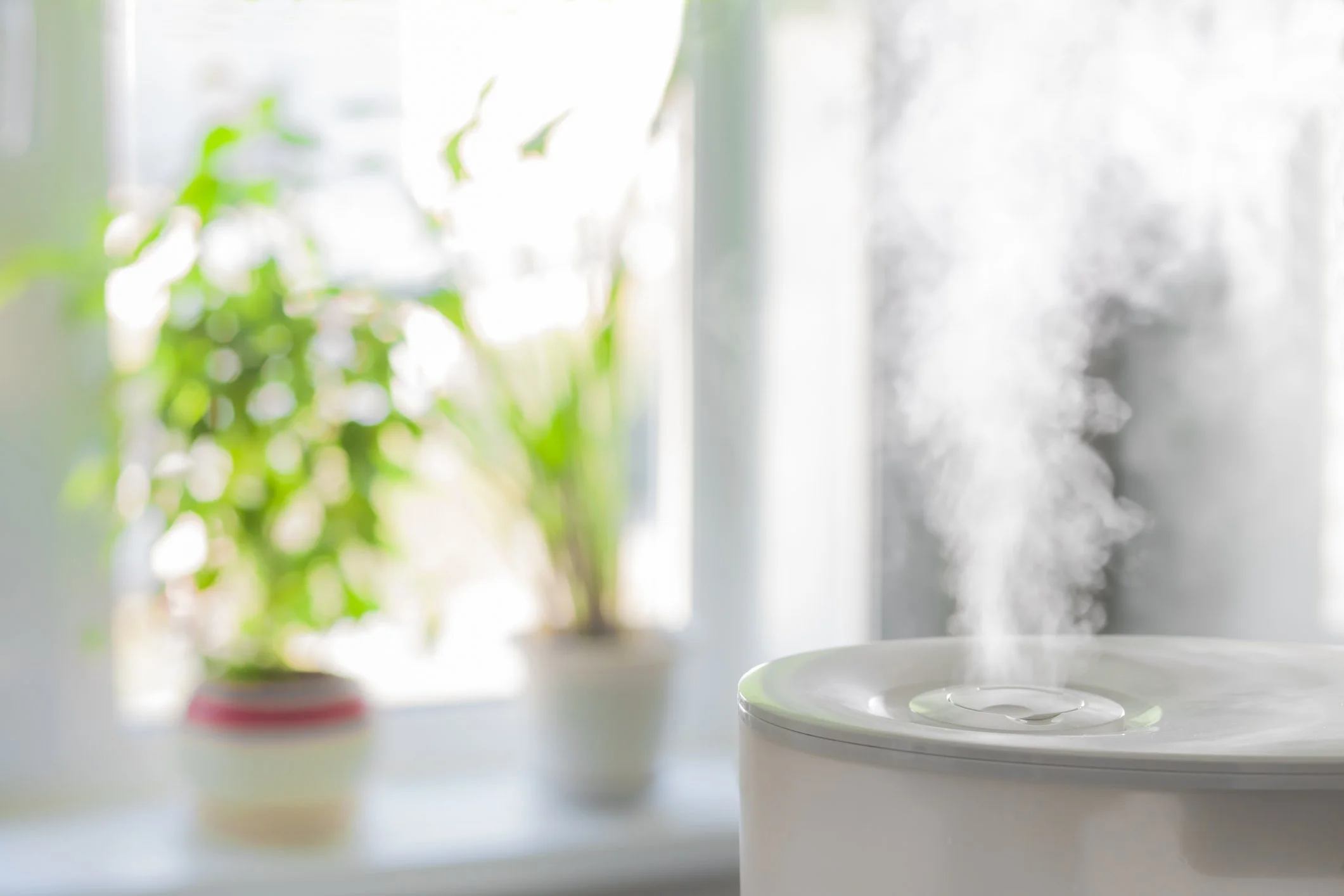
Dry, cracked, and depleted does not have to be your winter storyline. Try it, grab the tea and let it be your medicine, let your soup and stews be your supper, turn on your humidifier and watch your skin get that glow while your immune system does her job with ease.
You are Worth It
Babe, your winter body asks you to tend to the basics: warmth, rest, hydration, and honest support. When your body is better cared for, your decisions get clearer, your energy steadier, and your relationships easier to show up for.
Research
https://www.massgeneral.org/news/article/the-importance-of-winter-hydration
https://pmc.ncbi.nlm.nih.gov/articles/PMC8664457/
https://www.biospherenutrition.co.nz/blogs/hydration/how-proper-hydration-supports-respiratory-health-and-reduces-infection-risk
https://pmc.ncbi.nlm.nih.gov/articles/PMC10253274/
Babe, your winter body is just asking for the basics: warmth, rest, hydration, and honest support. Which of these rituals will you choose for yourself this week? If you’d like a coach in your corner as you build a softer, more hydrated life from the inside out, you can learn more about working with us at ThriveWise.