
What is Yoga Nidra or NSDR?
Yoga Nidra, often called NSDR, or non‑sleep deep rest, is a structured, science‑backed way of putting your brain and body into a state that looks a lot like deep sleep on a lab readout, while you remain consciously aware. It is both ancient and remarkably modern: a practice that feels like lying down for a nap, yet quietly upgrades your nervous system, hormones, and cognition in ways that touch everything from sleep and sex to your career, athletic performance, and long‑term vitality.
In Yoga Nidra, you lie down—usually in Savasana—and are guided through a series of internal steps: intention, body‑scanning, breath awareness, emotional balancing, visualization, and a gentle return. This systematically shifts you out of stress‑mode and into a deeply restorative “rest and digest” state.
In lab studies, Yoga Nidra produces changes in brain activity and physiology that resemble slow‑wave (delta) sleep: slower breathing, increased parasympathetic tone, and more efficient deep sleep at night, even when the practice is done earlier in the day. One randomized trial in chronic insomnia found that morning Yoga Nidra improved objective sleep efficiency and increased delta sleep later that night, likely by dialing down sympathetic drive and amplifying parasympathetic recovery mechanisms.
How It Works on the Nervous System
Your autonomic nervous system has two main “gears”:
Sympathetic: fight, flight, or freeze—elevated heart rate, cortisol, vigilance.
Parasympathetic: rest, digest, repair—lower heart rate, improved digestion, immune function, and hormonal balance.
A randomized sleep‑lab investigation in adults with insomnia showed that a single 30‑minute Yoga Nidra session decreased respiratory rate and was well tolerated, suggesting a shift toward parasympathetic dominance and a calmer physiological baseline. A 2025 randomized controlled trial of online Yoga Nidra (11‑ and 30‑minute protocols) found significant reductions in stress, anxiety, depression, rumination, and sleep disturbances, along with healthier daily cortisol rhythms, less anticipatory “stress spike” in the morning and more efficient decline over the day.
For a conservative, high‑responsibility life, family, business, community, this is not about “checking out.” It is about building a more resilient baseline so you can meet stress with clarity instead of reactivity.
Who It’s Good For (Evidence‑Based)
Across recent trials and reviews, Yoga Nidra has shown benefit in several key groups:
Adults with chronic insomnia: A randomized controlled trial in insomnia patients found that Yoga Nidra improved sleep onset, total sleep time, sleep efficiency, and slow‑wave sleep, with corresponding improvements in next‑day functioning.
People with general sleep disorders: A 2025 systematic review of six RCTs (n=244) concluded that Yoga Nidra “shows promise” as a therapeutic intervention for sleep disorders, improving sleep parameters and related mental‑health outcomes.
Stressed professionals and the general public: An online Yoga Nidra RCT (n>400) reported 19% reductions in stress, 10% in anxiety, 9% in depression, 16% in rumination, and 12% in sleep disturbances after 30‑minute daily sessions, with small but meaningful effect sizes.
Health‑care workers and high‑stress roles: Subgroups in the sleep‑disorder review and related trials (including COVID‑era health‑care workers) showed similar improvements in sleep and psychological distress with Yoga Nidra protocols.
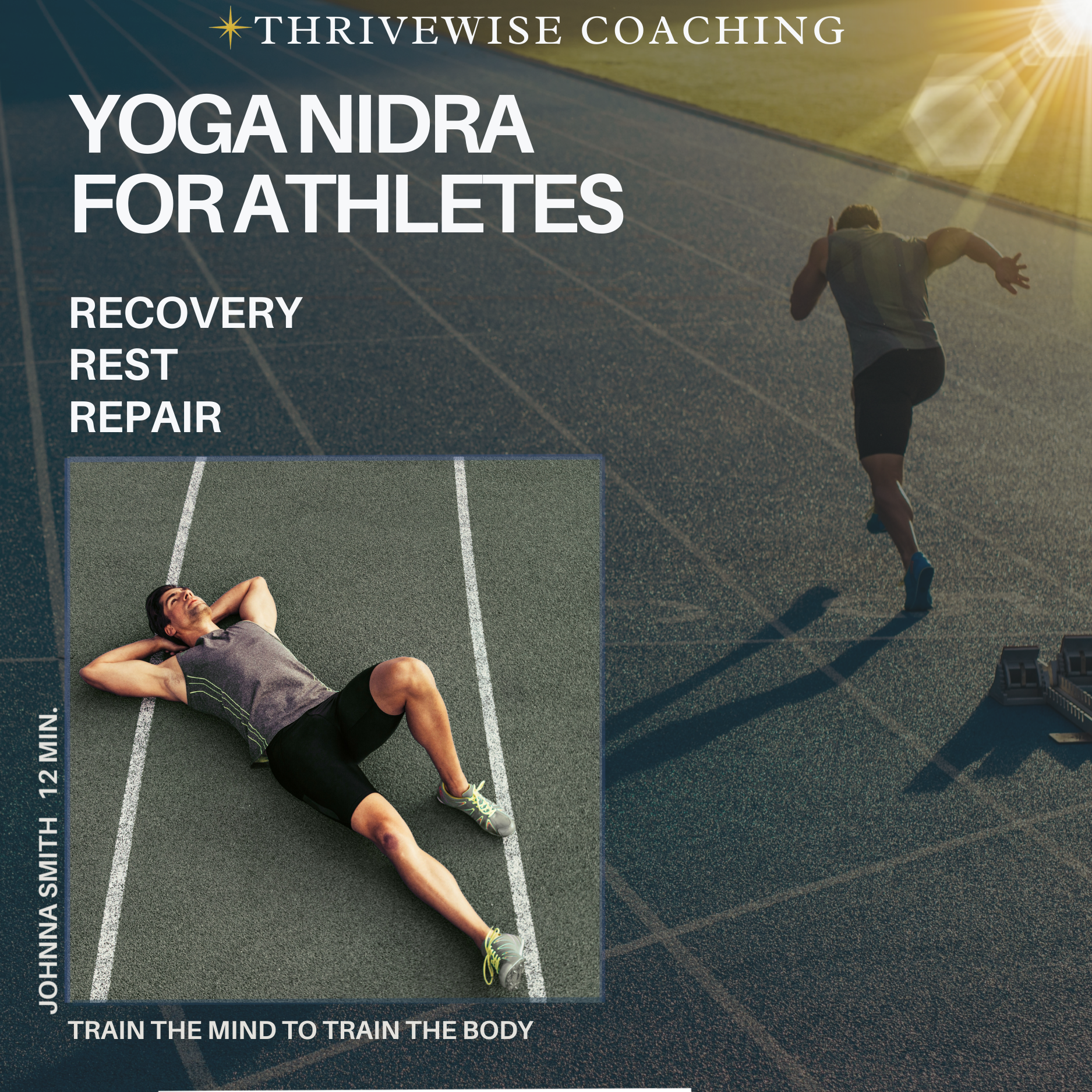
Athletes: Case studies in elite karate athletes found that Yoga Nidra improved perceived recovery, “being in shape,” self‑efficacy, and morning‑after recovery scores during competition periods. A six‑week intervention in basketball players documented significantly faster reaction times (about 12–15% reduction), better sleep quality, and reduced stress compared with controls.
If you translate that into real life: Yoga Nidra / NSDR seems particularly suited for people who are driven, under pressure, and unwilling to sacrifice their edge—but who also know that running chronically hot eventually costs them in health, marriage, and mission.
Better Sleep, Better Sex, Better Relationships
Good sex and strong relationships rest on a few non‑negotiables: sleep quality, hormonal balance, emotional regulation, and a nervous system that can move fluidly between alertness and intimacy.
Sleep and restoration: Multiple trials show that Yoga Nidra improves sleep onset latency, total sleep time, sleep efficiency, and slow‑wave (deep) sleep—even when practiced during the day. Deeper, more efficient sleep is consistently linked in broader research to better testosterone and estrogen balance, libido, and metabolic health, all of which contribute to sexual vitality and responsiveness.
Stress and cortisol: The 2025 RCT found that both 11‑ and 30‑minute Yoga Nidra practices led to healthier cortisol rhythms, with reduced total cortisol output and a less exaggerated morning stress spike in many participants. Chronic high cortisol is associated with lowered libido, erectile difficulties, and disrupted menstrual and perimenopausal health; normalizing that curve removes a biochemical brake from sexual function.
Mood and emotional regulation: The same trial documented reductions in anxiety, depression, and rumination, along with increased mindfulness and life satisfaction. Those are precisely the psychological variables that predict better communication, lower conflict, and greater intimacy in long‑term relationships.
In other words, a short daily NSDR practice is not “woo”; it is a disciplined way to repair the biological and psychological foundations that make a satisfying sex life and secure relationships possible in midlife and beyond.
Career, Athleticism, and Vitality
Career and Cognitive Performance
Deep rest is a performance tool. When you practice Yoga Nidra regularly, you are training your nervous system to drop out of chronic overdrive and into recovery on command. Over time, this supports:
Sharper cognition: Improvements in slow‑wave sleep and reduced stress are associated with better attention, working memory, and decision‑making. A Yoga Nidra insomnia trial showed enhanced objective sleep metrics that typically track with daytime cognitive performance.
Better mood and resilience: Lower stress, anxiety, and depression scores in RCTs translate into leaders who can hold tension without exploding, listen deeply, and make values‑based decisions under pressure.
Sustainable drive: Healthier cortisol rhythms, steeper decline across the day, less anticipatory spike, are strongly associated with better long‑term health, energy, and work capacity.
For a conservative professional, think of NSDR as the quiet counterpart to your workout and your calendar: 10–30 minutes where you deliberately recharge the system that makes all of your competence possible.
Athleticism and Physical Recovery
Athletes have begun to use Yoga Nidra as a legal, side‑effect‑free recovery enhancer.
Recovery and readiness: Two elite karate athletes using Yoga Nidra during competition weeks showed clear improvements in perceived recovery, mental balance, and “being in shape,” with maximal recovery scores especially the morning after sessions.
Reaction time and performance: In basketball players, six weeks of Yoga Nidra improved reaction times by roughly 12–15%, improved sleep quality, and reduced stress relative to a control group—changes directly relevant to quick decision‑making and game performance.
Sleep and parasympathetic tone: By increasing parasympathetic activation and improving slow‑wave sleep, Yoga Nidra appears to enhance the body’s capacity to repair muscle tissue, regulate inflammation, and consolidate motor learning, critical for training gains at any age.
For midlife recreational athletes, this means better recovery between sessions, fewer “wired‑and‑tired” nights, and more consistent training without feeling broken on Monday.
Vitality and Long‑Term Health
Vitality is not just “more energy.” It is synchronized rhythms: sleep‑wake, cortisol, autonomic balance, and mood.
Cortisol rhythm: The online Yoga Nidra RCT found that even 11‑minute daily sessions, when practiced regularly, led to lower total daily cortisol and a healthier decline from morning to evening—a pattern tied to better metabolic, cardiovascular, and immune outcomes.
Global well‑being: Participants practicing 30 minutes of Yoga Nidra reported higher life satisfaction along with reductions in stress, anxiety, depression, and rumination, indicating a broad lift in subjective vitality and purpose.
Safety and feasibility: Trials report high acceptability and low dropout rates, even in insomnia patients and high‑stress populations, suggesting that Yoga Nidra is not only effective but realistically sustainable in real adult lives.
From our lens, this is a discipline of stewardship: caring for the God‑given body and mind that your family, calling, and community depend on.
How to Start (In 10–20 Minutes a Day)
To benefit from Yoga Nidra / NSDR. You only need a quiet space, a willingness to lie down, and a guided recording you relate to.
A simple on‑ramp:
Choose your time. Pick a consistent time, midday reset, post‑work decompression, or pre‑bed, which you can realistically do most days.
Set an intention. One clear sentence in the present tense that reflects the person you are building: “I am calm and courageous,” “I recover quickly,” “I am present with my family.” “My body is strong, and rest is part of my recovery.” This anchors the practice in your values.
Lie down in Savasana. Support your knees, cover your eyes, stay warm. Consider a reclining chair. Your only job is to remain curious and follow the voice.
Let yourself drift. You may feel half‑asleep, see images, or momentarily lose track of the script. That is normal. The nervous system is downshifting.
Notice the “afterglow.” Many people report clearer thinking, less irritability, and better sleep that night even after their first few sessions.
Over weeks, NSDR becomes a quiet form of training: you teach your system to release tension, process stress, and return to baseline quickly.
That is the hidden engine behind better sex, a stronger career, athletic performance, and the kind of grounded vitality that makes your life feel not just productive but also one you love.
If you’re reading this and recognizing yourself, the high‑performer who is grateful, driven, and also a little exhausted, this is your invitation to do it differently.
At ThriveWise Coaching, we weave practices like Yoga Nidra / NSDR into a clear, action‑oriented process that supports:
Relationships that feel more connected, affectionate, and emotionally steady
Careers where you can lead, decide, and create from clarity instead of constant reactivity
Fitness and race goals—triathlons, marathons, HYROX, strength training—with better recovery and fewer crashes
A more satisfying, embodied sex life, with the energy and presence to actually enjoy it
If you’re ready to build a nervous system that can hold the life you’re creating, a strong body, a sharp mind, and a grounded heart, we would love to work with you.
Reach out to ThriveWise Coaching to schedule a consultation and explore 1:1 coaching, performance programs, or NSDR‑based support tailored to your season of life. Your next level of strength, connection, and vitality is trainable, and it can start today.